Call Us: +91925476854

Shock Wave Lithotripsy is not a single-energy, single-speed treatment. The way energy is introduced, increased, maintained, and reduced has a direct impact on stone fragmentation, tissue safety, and overall outcomes.
Ramping is the structured progression of shockwave energy during treatment. When done correctly, it allows the kidney and the stone to respond gradually, improving fragmentation efficiency while minimizing tissue injury.
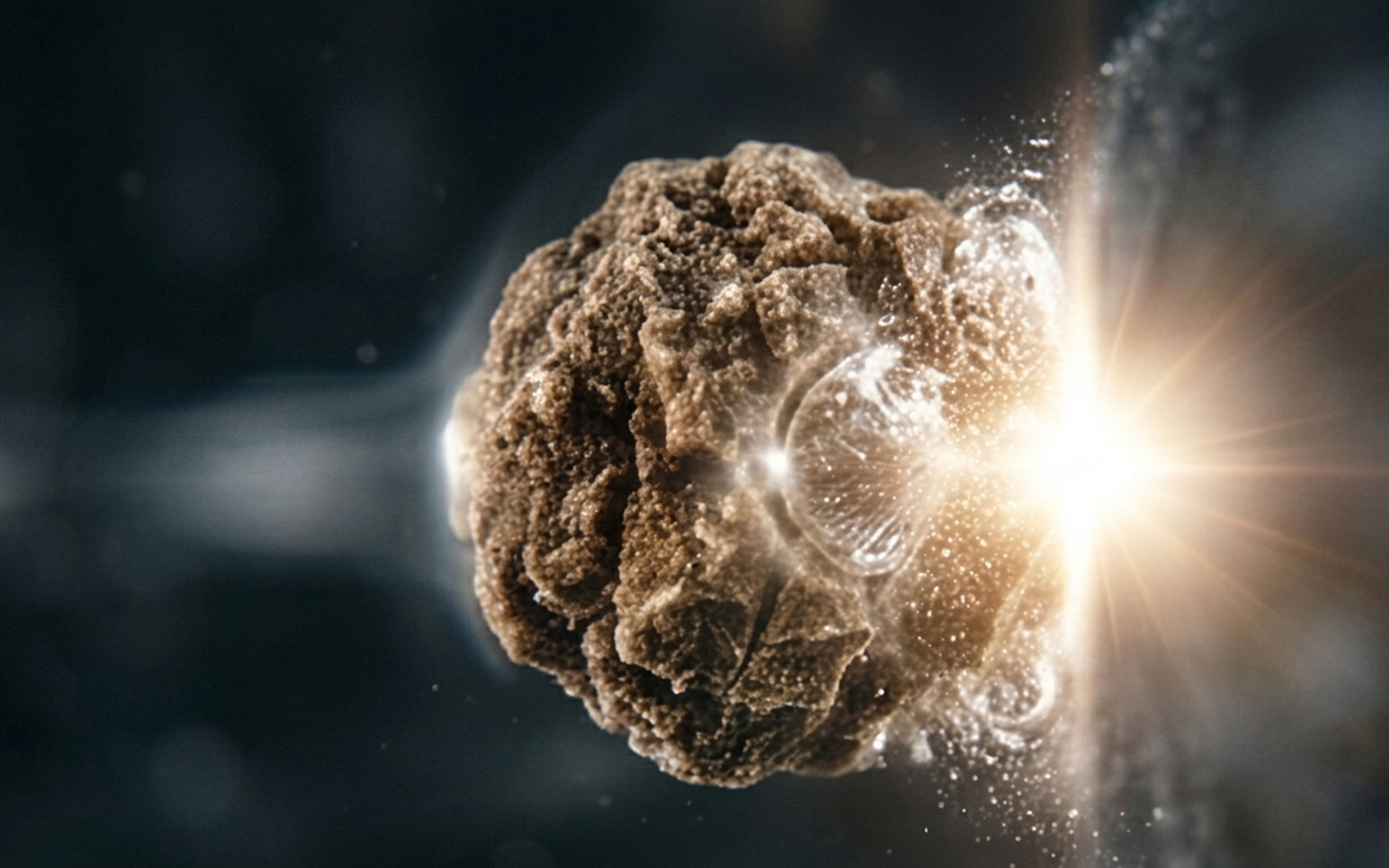
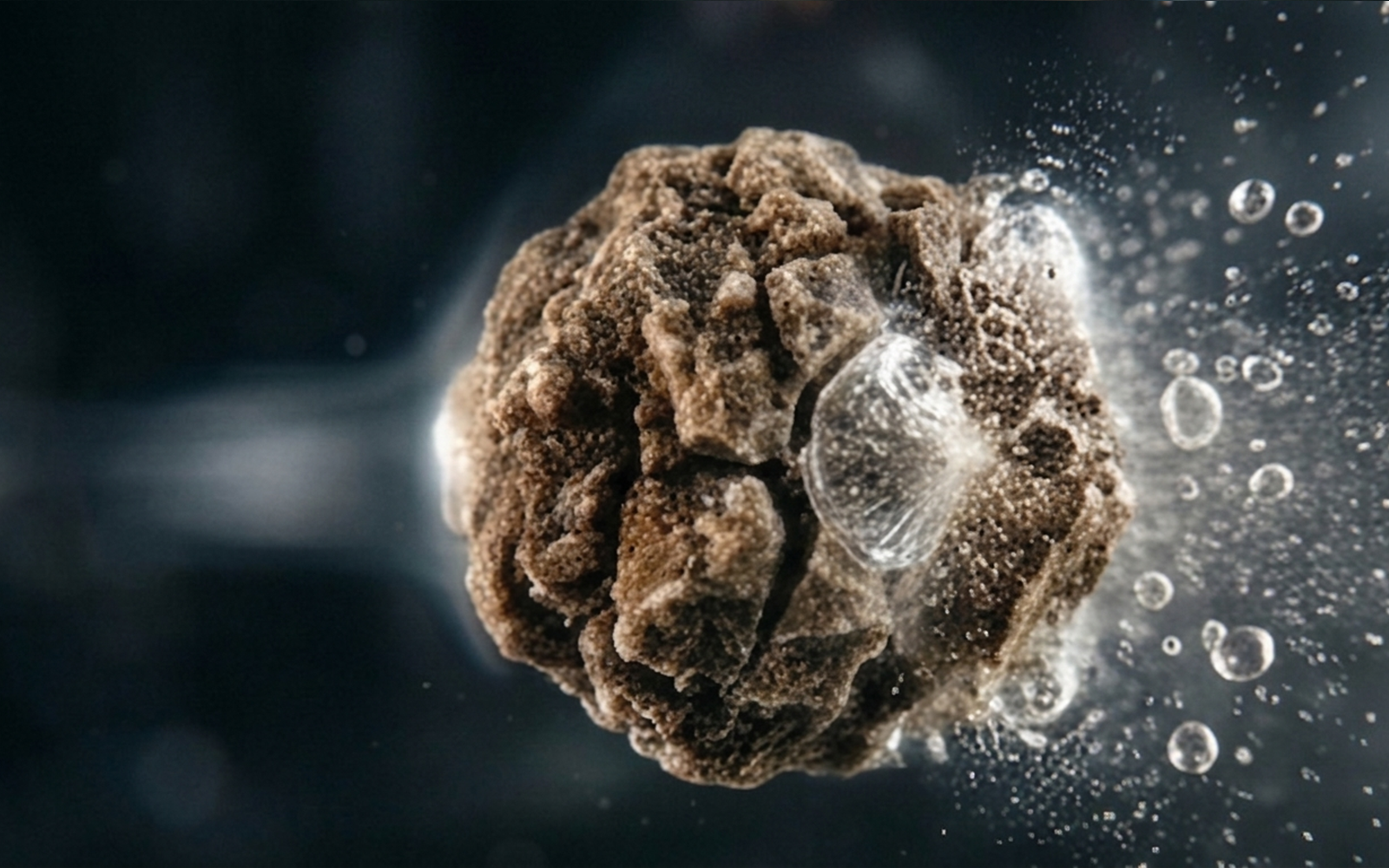
Initial low-energy shocks condition the kidney, promoting vasoconstriction and reducing tissue injury risk.
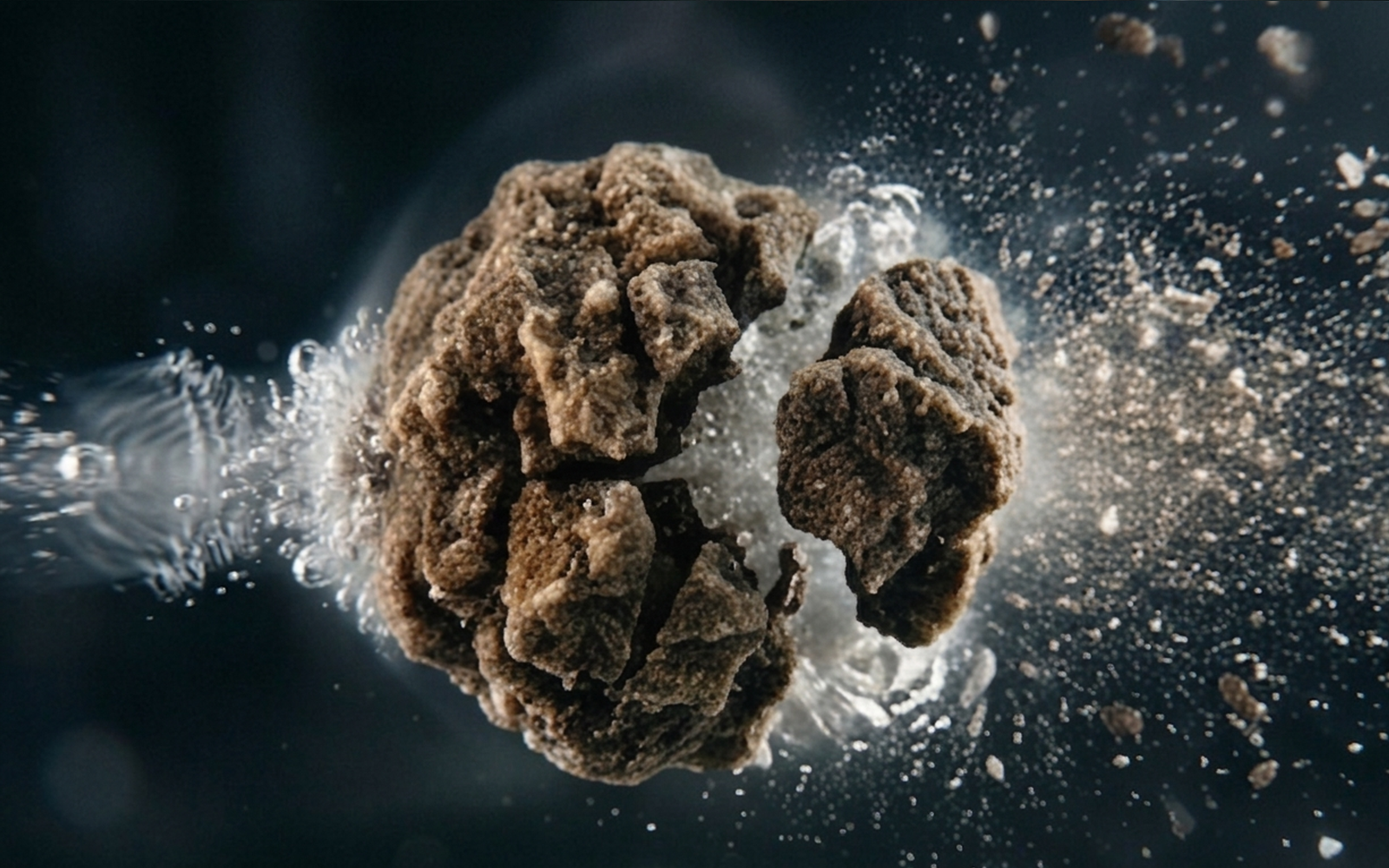
Gradual energy escalation begins, probing the stone structure and identifying zones of weakness.
Energy reaches near-therapeutic levels, with microcracks established across the stone matrix.
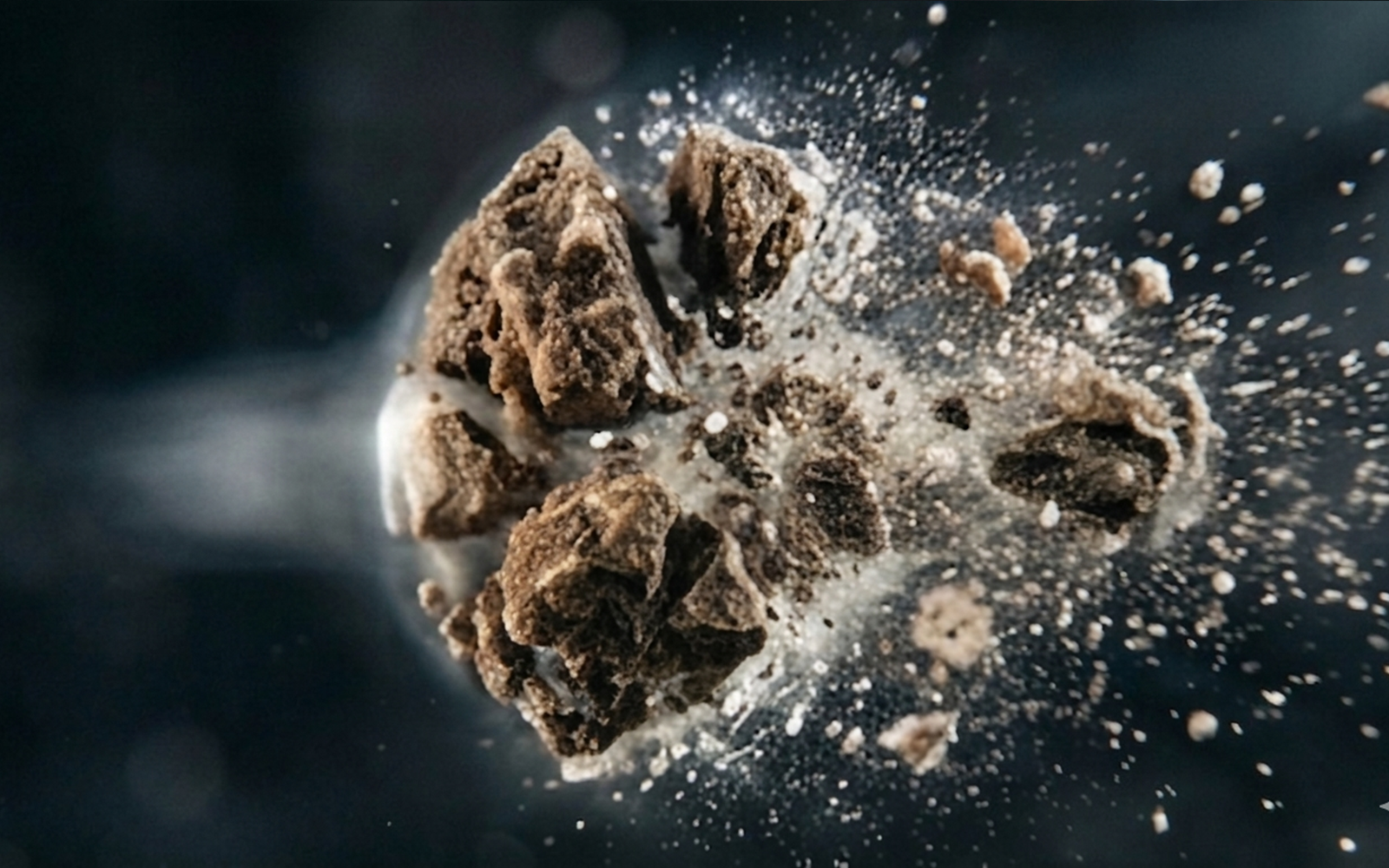
High-energy shocks are applied to actively break the stone into clinically significant fragments.
Major fragmentation is achieved, leaving smaller residual pieces ready for clearance.
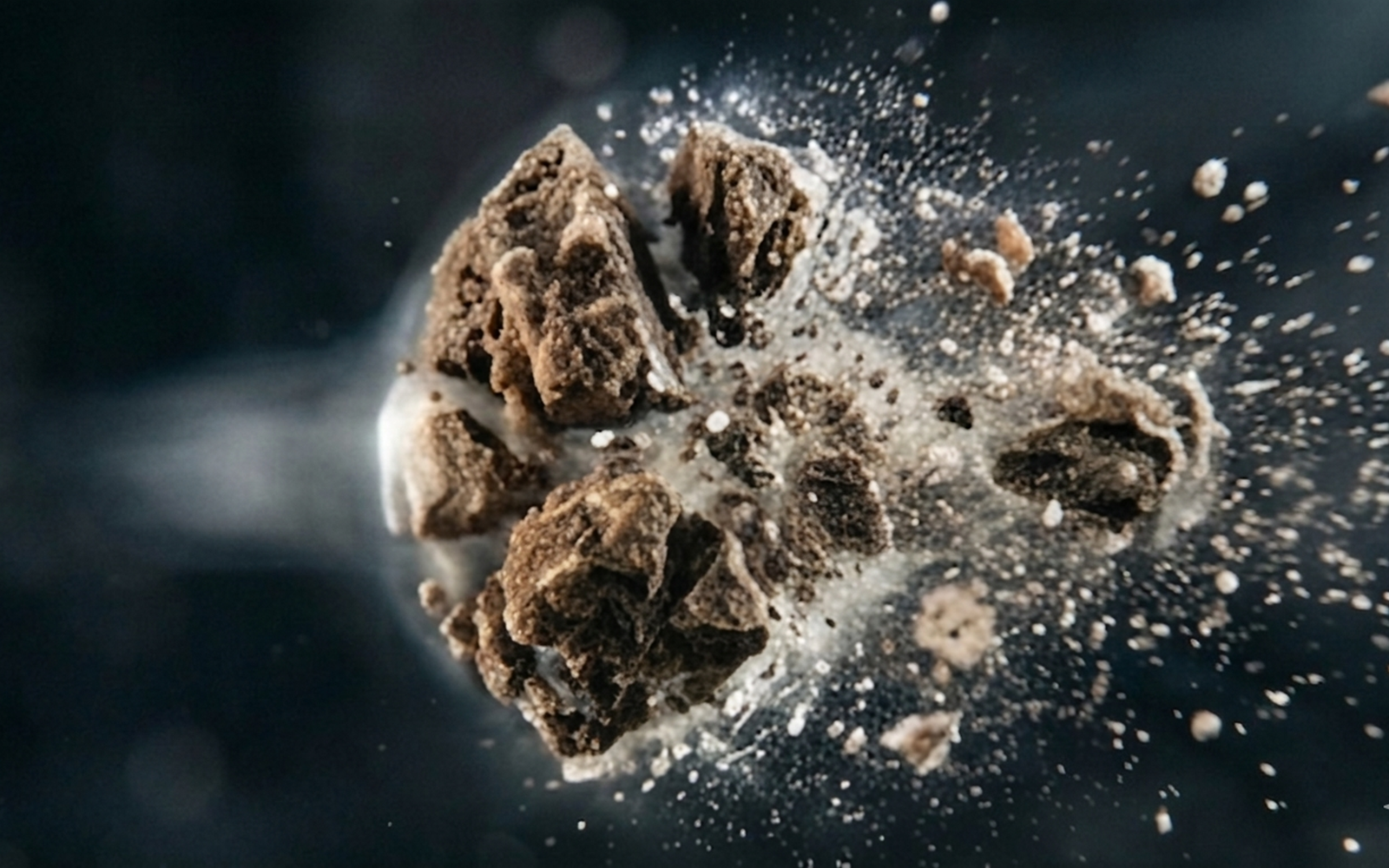
Final controlled shocks refine fragments into fine particles, facilitating easier passage.
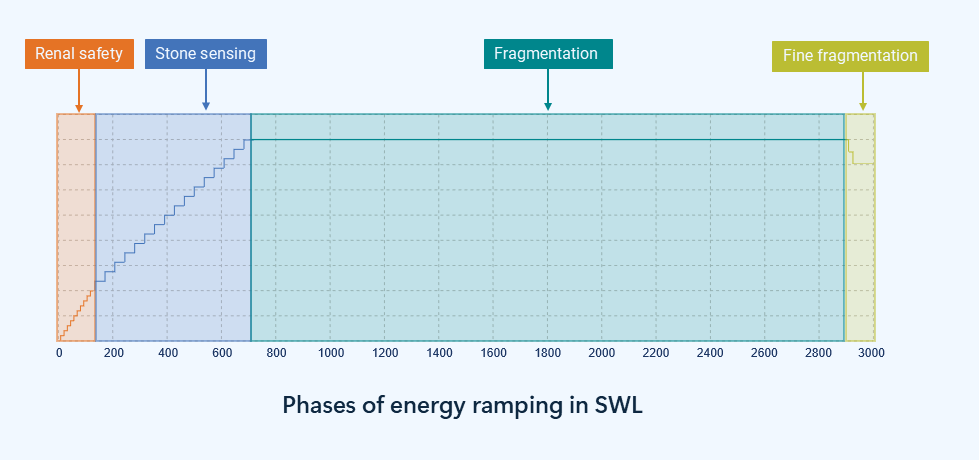
The full protocol report — including the energy ramping chart, phase summary, and operator notes — is generated on the next screen and can be printed or saved as PDF.

Personalised ramping protocol — educational and training reference
| Location | — |
|---|---|
| Stone Density | — |
| Stone Size | — |
| Patient BMI | — |
| Total SW | — |
|---|---|
| Peak Energy | — |
| Frequency | — |
| Phase | SW Range | Purpose |
|---|---|---|
|
Renal Safety
|
— | Tissue conditioning at low energy |
|
Stone Sensing
|
— | Graduated ramp to initiate microcracking |
|
Fragmentation
|
— | Sustained peak energy for stone breakdown |
|
Dusting / Finishing
|
— | Refinement of residual fragments |
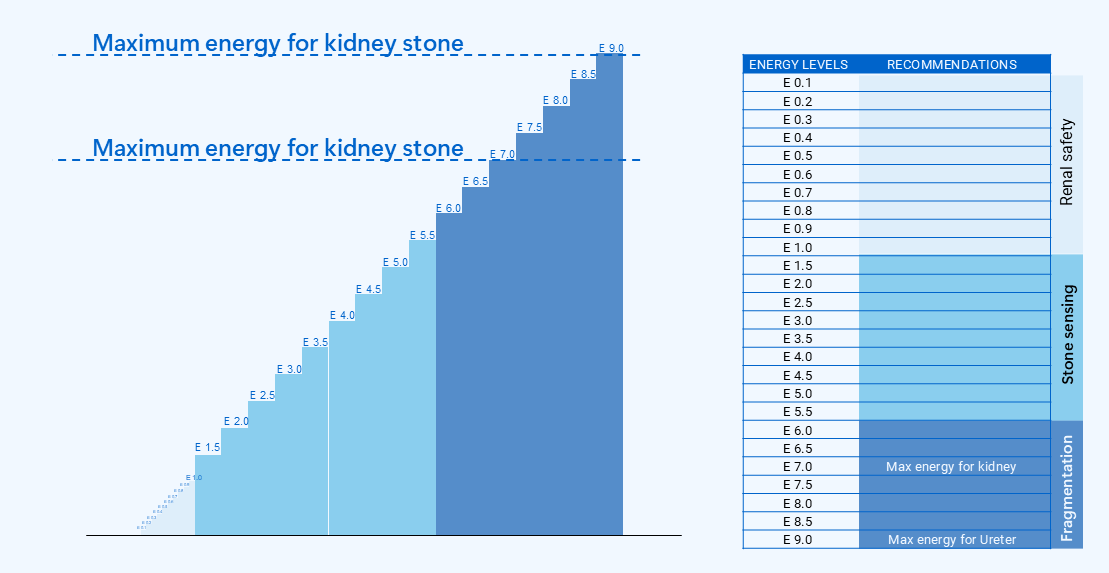
This visual is designed to help the operator understand the full energy-range pathway used in a structured SWL ramping strategy, including the recommended maximum energy for kidney and ureteric treatments.
It is important to note that this is not a scale taken from any specific commercial lithotripter. Lithotripsy Academy proposes this as an idealised energy profile that supports better control of each phase of lithotripsy: conditioning, sensing, fragmentation, and finishing.
Educational note: use this as a training reference to understand strategy and sequencing, not as a device-specific setting.
Introduction: Why ramping matters in SWL
Shock Wave Lithotripsy is not a single-energy, single-speed treatment. The way energy is introduced, increased, maintained, and reduced has a direct impact on stone fragmentation, tissue safety, and overall outcomes.
Ramping is the structured progression of shockwave energy during treatment. When done correctly, it allows the kidney and the stone to respond gradually, improving fragmentation efficiency while minimising tissue injury.
This is the initial conditioning phase of treatment. Low-energy shockwaves are delivered at the beginning to prepare renal tissue for higher energy exposure. At this stage, stone fragmentation is not the goal. The focus is organ protection and safe physiological adaptation.
Once the kidney is conditioned, energy is increased gradually. This phase allows shockwaves to interact with the stone at multiple energy thresholds, initiate microcrack formation, and prepare the stone structure for efficient fragmentation. This phase is especially important for dense stones, where sudden high energy can be inefficient and counterproductive.
This is the main therapeutic phase of SWL. Energy is maintained at the target level appropriate for stone size, density, location, and patient habitus. Sustained shockwave delivery exploits the microfractures created earlier, leading to progressive stone breakdown into passable fragments.
In the final phase, energy is deliberately reduced. Lower energy shockwaves help refine residual fragments into smaller particles while minimising unnecessary tissue stress. Not every case requires a pronounced dusting phase, but when used appropriately, it adds finesse to the overall treatment.
Key takeaway for the operator: ramping is not about reaching peak energy quickly. It is about timing, sequencing, and respecting tissue response. A structured ramping strategy transforms SWL from a purely mechanical process into a controlled, patient-centric therapy.