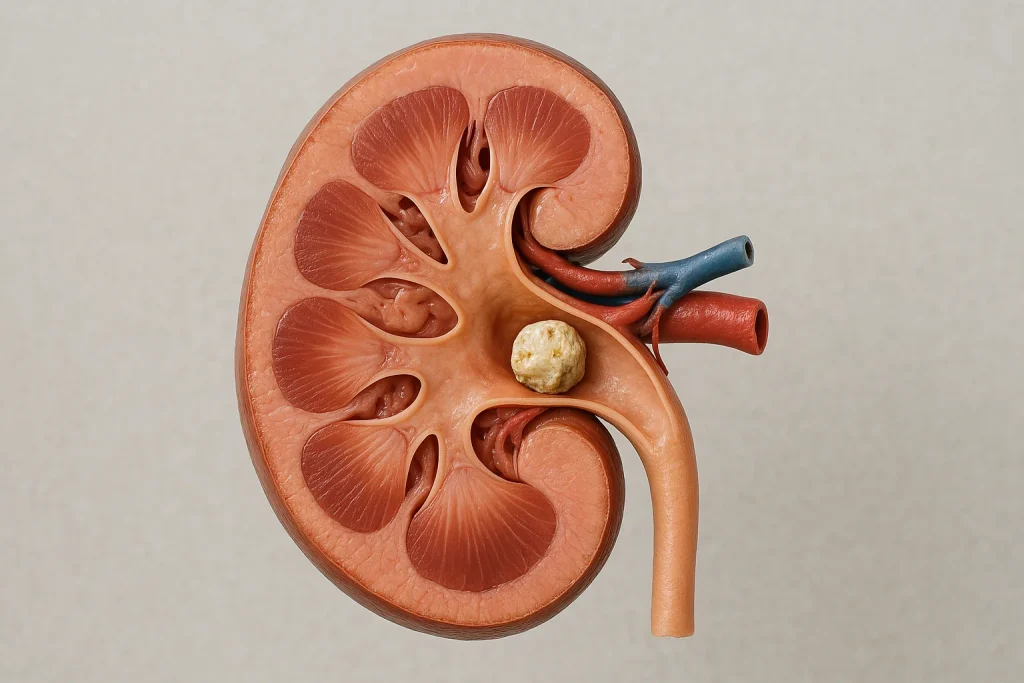
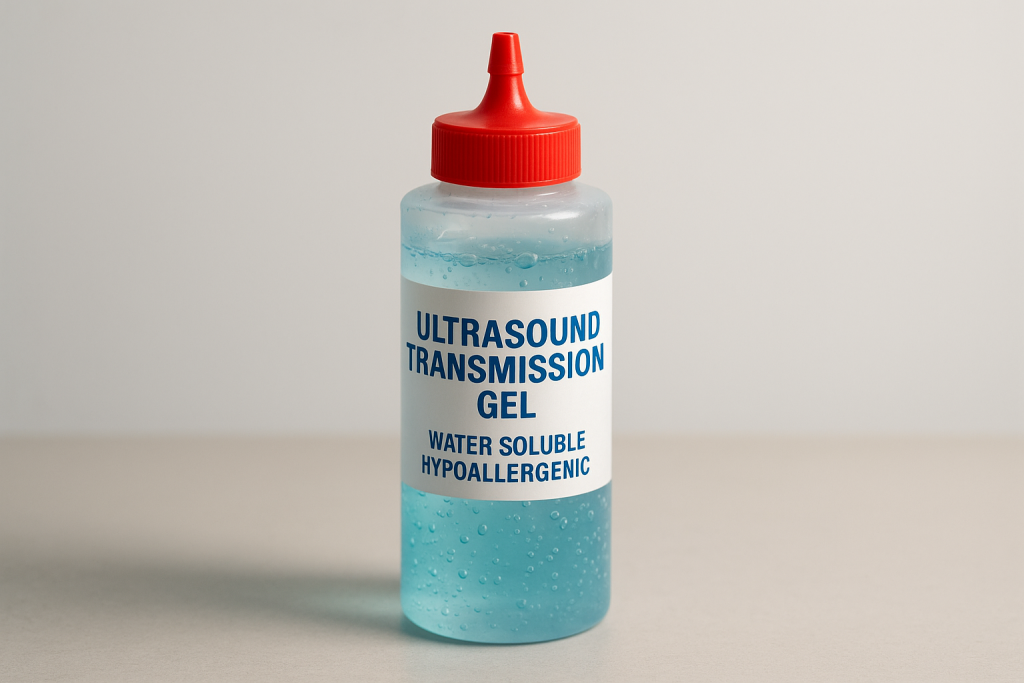
Ramp gradually → improve fragmentation efficiency and tolerance.
Lower frequency (≈60 shocks/min; 1 Hz) improves fragmentation vs. high frequency, especially early.
In-Procedure Monitoring & Adjustment
Fragment plume/contrast change → positive sign; continue at current settings.
No progress after 300–500 shocks: re-image; check coupling; try lower frequency or slight energy increase; ensure true focus on stone.
Arrhythmia/pain: switch to ECG-gating if available; reduce energy/frequency; reassess
Special Populations
Pediatrics: favor fine energy graduation (small step sizes), meticulous coupling, and low-frequency priming; minimize fluoroscopy, prefer US when feasible.
Obese patients: anticipate higher skin-to-stone distance—optimize gel pool, consider US targeting; adjust table focus depth; manage respiratory motion.